
Embodied carbon of UK concrete falls by 5%
Published by Charlotte Sweby,
Editorial Assistant
World Cement,
The reduction has been driven primarily by the growing adoption of Portland-limestone cements, and increased efforts in CCS.
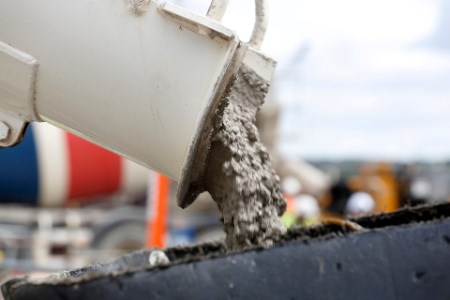
The average embodied carbon of ready-mixed concrete produced in the UK fell by approximately 5% in 2025 compared to the previous year, according to the latest Low Carbon Concrete Group (LCCG) Market Benchmark, published by The Concrete Centre on behalf of the group.
Based on data covering more than half of UK ready-mixed concrete production, the new benchmark shows that the volume-weighted average embodied carbon of concrete fell from 242kgCO2e/m³ in 2024 to 229kgCO2e/m³ in 2025. The benchmark suggests the reduction has been driven primarily by the growing adoption of Portland-limestone cements, enabled by the 2023 revision to BS 8500, the British Standard for concrete. It also reflects wider decarbonisation efforts by the UK concrete and cement sector, which has cut emissions by 63% since 1990, through ongoing improvements in adoption of the latest available technology, achieving greater energy efficiency and switching from fossil fuels to waste-based fuels.
Andrea Charlson, Head of Sustainability, UK Concrete & The Concrete Centre, said:
“This year’s benchmark provides clear evidence of the progress in reducing the embodied carbon of concrete, driven by the increased use of lower-carbon materials. The transition towards Portland-limestone cements has been particularly significant, demonstrating how collaboration between industry, standards bodies, and specifiers can unlock meaningful carbon savings at scale."
"However, the benchmark also shows the scale of the challenge ahead. Average embodied carbon remains above the indicative trajectory that is aligned with the UK’s industrial decarbonisation strategy. Closing that gap will require greater uptake of a wide range of lower-carbon cements and concretes, alongside supportive policy and sustained investment in breakthrough solutions, such as CCS, if the sector is to achieve net zero."
Helen McGarry, Associate Engineer & Sustainability Lead, Design ID, and LCCG Member, said:
“This year marks the fifth iteration of the benchmark and highlights the fundamental importance of establishing a baseline and monitoring performance to support continual improvement. The 5% reduction achieved this year demonstrates the value of this approach and reflects the principles set out in PAS 2080. Additionally, on behalf of the LCCG, I would like to thank the contributing MPA members for their cooperation and willingness to share data, without which, this benchmark and the progress it captures would not be possible.”
The LCCG Market Benchmark was first published in 2022 as part of the Low Carbon Concrete Routemap. It was developed to provide a mechanism for rating the embodied carbon of concrete used across the UK market, based on strength class.
Since its introduction, the benchmark has been updated annually by the LCCG in collaboration with the MPA. The benchmark helps clients, designers, contractors, and suppliers compare the embodied carbon of concrete with products available across the market and set meaningful carbon reduction targets.
Click here for free registration to World Cement
Check out the World Cement Podcast
Read the article online at: https://www.worldcement.com/europe-cis/01102026/embodied-carbon-of-uk-concrete-falls-by-5-per-cent/
You might also like
The World Cement Podcast
A podcast series for professionals in the cement industry featuring short, insightful interviews. Subscribe on your favourite podcast app to start listening today.


