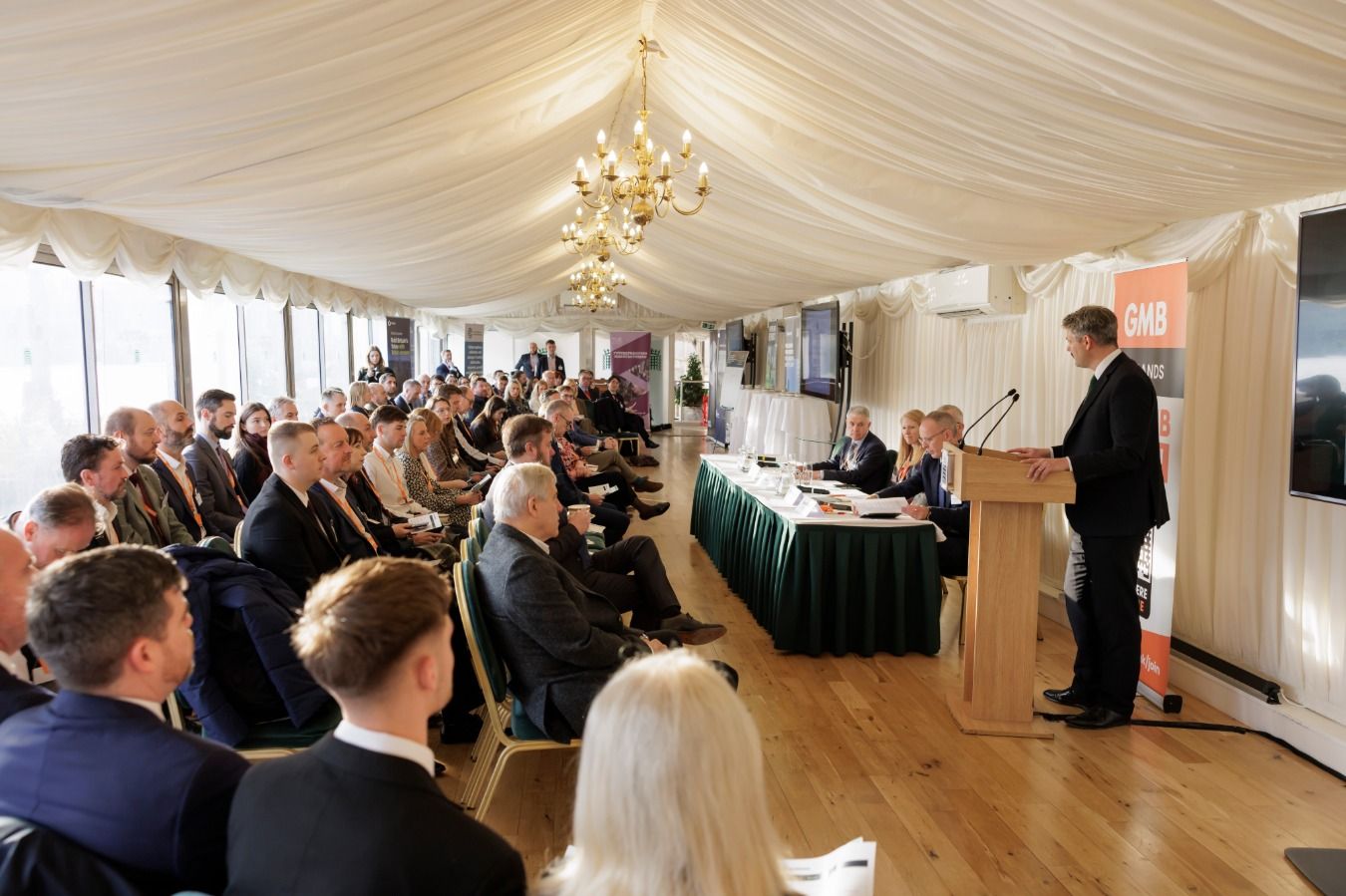
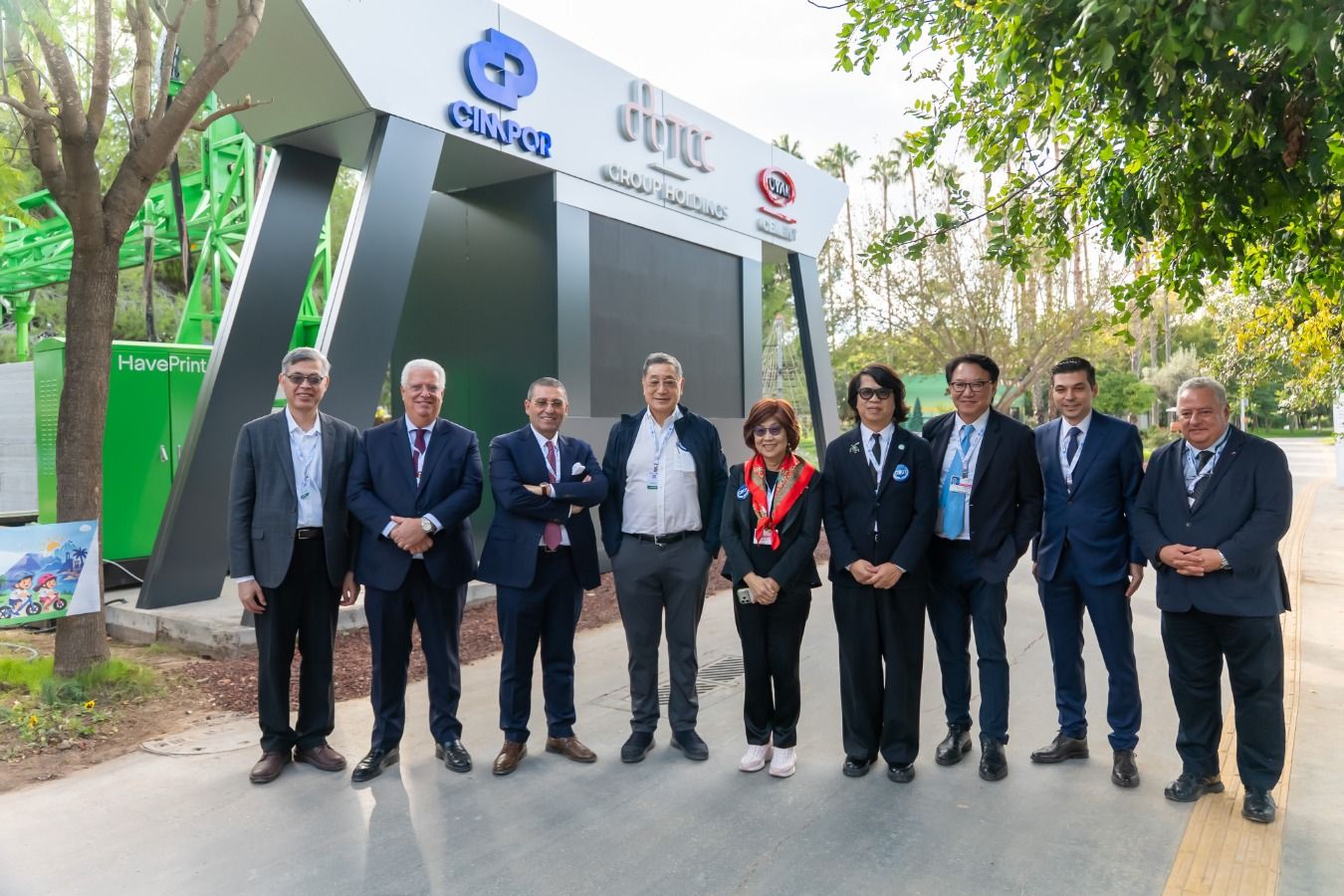
Change (COP31), took place in Antalya. Operating under TCC Group Holdings as OYAK Çimento in Türkiye and CIMPOR in international markets, the companies showcased low-carbon materials, renewable energy, circular economy initiatives and digital production technologies at the summit. They saw COP31 as a platform for turning climate commitments into industrial investments and international partnerships.
“Carbon per tonne is our new measure of growth”
Highlighting COP31’s focus on implementation, Suat Çalbıyık, Chairman of CIMPOR and OYAK Çimento, described the group’s approach, “For years, we measured COPs by the pledges they produced. From now on, the measure should be plants up and running on the ground. Cement and concrete will remain essential to the cities of the future. We will keep building the world. The answer is to change how we build it. Carbon per tonne is our new measure of growth. When we find a solution at one plant, it becomes a solution for every plant. That is what it means to be local on a global scale. We are taking the lead in shaping this transition.”
The Calcined Clay Transition Alliance on technology sharing, standards, and demand
At COP31, CIMPOR and OYAK Çimento joined TCC Group Holdings in issuing the Calcined Clay Transition Alliance declaration, calling for international collaboration to scale up the use of low-carbon cements. The initiative aims to share calcined clay technologies, validate the performance of new materials, and develop solutions that can be used across markets. Its proposals include replacing prescriptive mix requirements with standards based on how products perform in the field, creating a network to share testing and practical experience, and building demand for low-carbon cements, particularly in public projects.
Çalbıyık summed up the approach,“The technology is ready. We need confidence and demand. The alliance must build both.”
A third calcined clay plant in Africa and a 500 000 t line in Portugal
CIMPOR focuses on using local raw materials in its calcined clay operations and commissioned its first plant in Côte d’Ivoire in 2020. At its Kribi plant in Cameroon, the company combines local raw materials, calcined clay, renewable electricity, and biomass to achieve a carbon intensity approximately 40% lower than that of conventional cement. The commissioning of a new plant in Ghana in 2026 brought the group’s total number of calcined clay plants in Africa to three.
CIMPOR plans to commission a new calcined clay line in Portugal in December 2026, with an annual capacity of 500 000 t. The company describes it as the world’s largest calcined clay facility. The investment brings production experience gained in Africa to Europe. The group’s industrial heritage also includes its Alhandra plant in Portugal, which has operated on the same site since 1894 and recently earned Guinness World Records recognition for that distinction.
Electrification and energy storage
The deOHclay technology is central to CIMPOR’s approach to low-carbon production and aims to cut emissions at the material level by up to 90% compared with conventional Portland cement clinker. Emissions reductions in the finished cement vary with product composition and production conditions. The company is also developing its patented X-Clinker technology, which aims to eliminate combustion from conventional clinker production. The first industrial pilot of this fully electric process is scheduled to begin in 2027.
TCC Group Holdings’ patented EnergyArk energy storage systems support the use of renewable energy and are designed to help electrify heavy industry. On display in the outdoor area of the COP31 Green Zone, EnergyArk illustrates how the group combines materials technology with expertise in energy and storage.
Technology from Türkiye and expansion into Ukraine
Suat Çalbıyık described the European Union’s CBAM as a test for the industry and said the companies had been preparing for the transition for about a decade. He said that building demand for low-carbon materials would be as important to their wider adoption as technology and investment. The group aims to bring Türkiye’s engineering expertise to international markets and adapt solutions developed in different regions to local resources and needs.
As part of this approach, TCC Group Holdings signed an agreement to acquire Ukraine’s IFCEM Group. If the transaction closes following the required approvals, the group’s global cement production capacity is expected to reach 117 million tpy. The group aims to bring the low-carbon production expertise it has developed in Türkiye and Portugal to Ukraine’s reconstruction.
Technology on display in the COP31 Green Zone
CIMPOR, OYAK Çimento, and TCC Group Holdings welcomed visitors to their 100 m2 indoor and 150 m2 outdoor stands in the COP31 Green Zone. The indoor stand featured a virtual reality experience of the planned 3D construction project in Hatay, the CIMPACT AI Challenge quiz, the Roots of Change digital art installation, and technology that extracts water from moisture in the air. The outdoor stand showcased 3D construction printing from Havelar by CIMPOR and EnergyArk (a battery energy storage system housed in an ultra-high-performance concrete – UHPC - structure, integrated into the CIMPOR Energy ecosystem). Company executives also joined international stakeholders in sessions on climate finance, calcined clay, next-generation cements, artificial intelligence, the energy transition, and biodiversity.